
Every house sends out small distress signals long before a major system fails, but most homeowners do not know how to read them. A house that looks fine from the curb can be quietly aging on the inside, with plumbing, roofing, and mechanical systems wearing out years ahead of schedule. Catching these warning signs early can save you thousands of dollars and prevent the kind of emergency that upends your entire week. This guide walks through the most telling signs of accelerated aging in a home, room by room and system by system, so you can address problems while they are still manageable.
Cracks and Settling in the Foundation
Hairline cracks in a foundation are common and usually harmless, but wide, horizontal, or stair-step cracks tell a different story. As a rule of thumb, cracks wider than 1/4 inch, or ones that grow noticeably over a few months, deserve a closer look from a professional. These patterns often point to shifting soil, poor drainage, or water pooling against the foundation walls over time.
Horizontal cracks are especially concerning because they can indicate lateral pressure pushing against basement walls, often from saturated soil after heavy rain or poor grading around the house. Stair-step cracks in block or brick foundations usually follow the mortar joints and suggest uneven settling on one side of the structure. Both patterns are different from the harmless vertical hairline cracks that often appear as concrete simply cures and shrinks.
If doors and windows have started sticking or floors feel slightly uneven, the structure underneath may be moving more than it should. Gaps forming between walls and ceilings, or cabinets pulling away from the wall, are other subtle clues that the foundation is shifting rather than the house merely settling into a normal, stable position. Catching these signs early, before cracks widen or moving becomes more pronounced, can save homeowners from far costlier structural repairs down the road.
Foundation problems rarely stay small, and ignoring them accelerates wear on everything built above them, from drywall to flooring to plumbing lines. Hairline cracks under 1/8 inch are often just cosmetic, the result of normal concrete curing, but wider cracks, stair-step patterns in brick, or gaps that grow noticeably over a few months signal deeper trouble.
Other red flags include doors and windows that stick or no longer latch properly, uneven or sloping floors, and gaps forming between walls and ceilings. These issues often mean the foundation is settling unevenly, which puts stress on framing and can eventually crack pipes or shift plumbing connections buried beneath the slab.
A professional inspection can determine whether the issue is cosmetic or structural before you invest in repairs. A structural engineer can measure floor elevation, monitor crack movement over time, and recommend solutions ranging from simple sealing to push piers or helical piers for more serious settlement.
- Cracks wider than a quarter inch deserve a professional look, especially if they run diagonally or grow noticeably over a few months
- Horizontal cracks in a foundation wall are more serious than vertical ones, often signaling soil pressure or structural stress
- Gaps around window and door frames suggest shifting, particularly if doors stick, won’t latch, or windows suddenly become hard to open
- Sloping floors can indicate joist or foundation issues; a slope of more than 1 inch over 20 feet is generally considered significant
- Water stains near the base of walls often mean drainage problems, and a musty smell alongside them can point to ongoing moisture intrusion
- Gaps between the foundation and exterior siding or steps can also reveal settling that’s been happening gradually and unnoticed
Water Pressure Loss and Aging Pipes
A noticeable drop in water pressure throughout the house is one of the clearest signs that your pipes are aging faster than they should. Corroded galvanized lines narrow over time, restricting flow, while hidden leaks can also rob pressure from fixtures. Homes built before the 1960s often relied on galvanized steel piping, which typically starts showing significant internal corrosion after 40 to 50 years of use.
If pressure loss is isolated to one faucet or shower, the problem may just be a clogged aerator or worn cartridge. But if every fixture in the house suffers weak flow at the same time, that’s a strong indicator of system-wide pipe deterioration rather than a simple, localized fix.
Discolored water, especially a rusty or brownish tint, usually confirms that old pipes are breaking down internally. Pay attention to whether the discoloration appears only after periods of disuse, such as first thing in the morning, since that pattern points to rust accumulating in stagnant sections of pipe overnight. Water that runs cloudy or metallic-tasting even after several minutes suggests more advanced corrosion that a plumber should inspect soon.
A simple pressure test, using a gauge that screws onto an outdoor spigot, can help confirm whether your home is running below the normal range of 45 to 80 psi. Consistent readings under 40 psi, combined with visible rust or reduced flow, are a reliable signal that pipe replacement should move up on your home maintenance priority list.
If your faucets sputter or your shower pressure has weakened over the past few years, don’t chalk it up to the water company. Galvanized steel pipes, common in homes built before the 1980s, corrode from the inside out, gradually narrowing the passage water flows through. Homes with original supply lines from this era are especially at risk, since these pipes were never designed to last more than 40 to 50 years, and many are well past that mark.
Other culprits include mineral buildup in older copper piping and small pinhole leaks hidden behind walls or under slabs, both of which can quietly drain your water pressure long before any visible damage appears. A noticeable drop in pressure at multiple fixtures throughout the house, rather than just one faucet, is usually a sign the problem lies in your main lines rather than a single fixture.
A licensed contractor can run a pressure test and camera inspection to pinpoint exactly where the system is failing, often narrowing the issue down to a specific section of pipe rather than the whole system. This kind of diagnostic typically costs a few hundred dollars, which is far cheaper than the thousands you’d spend repairing water damage, mold remediation, and drywall replacement after a burst pipe forces the issue.
- Rusty or cloudy water from multiple taps, especially when it appears right after running water that’s sat unused for hours
- Frequent pinhole leaks in exposed piping, a telltale sign of corroded galvanized steel pipes nearing the end of their 40-50 year lifespan
- Unusual banging or knocking sounds in walls (known as “water hammer”), often caused by loose pipe fittings or worn-out shut-off valves
- Slow drains that plunging does not fix, which may point to mineral buildup or root intrusion deep in the main line rather than a simple clog
- Noticeable drop in water pressure when two fixtures run at once, suggesting narrowing pipe diameter from internal rust and scale
- Discolored or mineral-crusted spots on ceilings and walls near plumbing lines, indicating slow leaks that haven’t fully surfaced yet

Septic System Backups and Odors
If your home relies on a septic system, slow drains, gurgling toilets, and sewage odors in the yard are all signs that the system is struggling to keep up. Septic tanks are built to last decades, but soil saturation, tree root intrusion, and age can shorten that lifespan considerably. Standing water or unusually green patches of grass over the drain field are also red flags worth investigating.
Many homeowners wait too long to address these symptoms because the tank itself seems to be working. Once a system reaches the point of frequent backups, a septic replacement service is often the more cost-effective long-term solution compared to repeated pumping and patch repairs.
- Sewage smell near the drain field or basement
- Toilets that gurgle after flushing
- Slow drains throughout the entire house, not just one fixture
- Lush or soggy patches of lawn above the tank area
Weak Well Water Flow and Pump Noise
For homes on private wells, a sudden drop in water flow, sputtering faucets, or a pump that cycles on and off constantly are signs of an aging or failing well system. Sediment in the water, a sulfur smell, or a noticeably louder pump motor can also indicate that components are wearing out. These issues tend to worsen gradually, which makes them easy to dismiss until the well stops producing water altogether.
Scheduling an inspection with local well pump services at the first sign of trouble can extend the life of the system and help you avoid being caught without water during a heat wave or holiday gathering. Pumps typically last eight to fifteen years depending on usage, so age alone is a reasonable trigger for a checkup even if nothing seems obviously wrong yet.
- Air sputtering from faucets
- Pump running constantly or short-cycling
- Cloudy, sandy, or metallic-tasting water
- Noticeable drop in pressure during peak usage times
Roof Shingle Wear and Attic Leaks
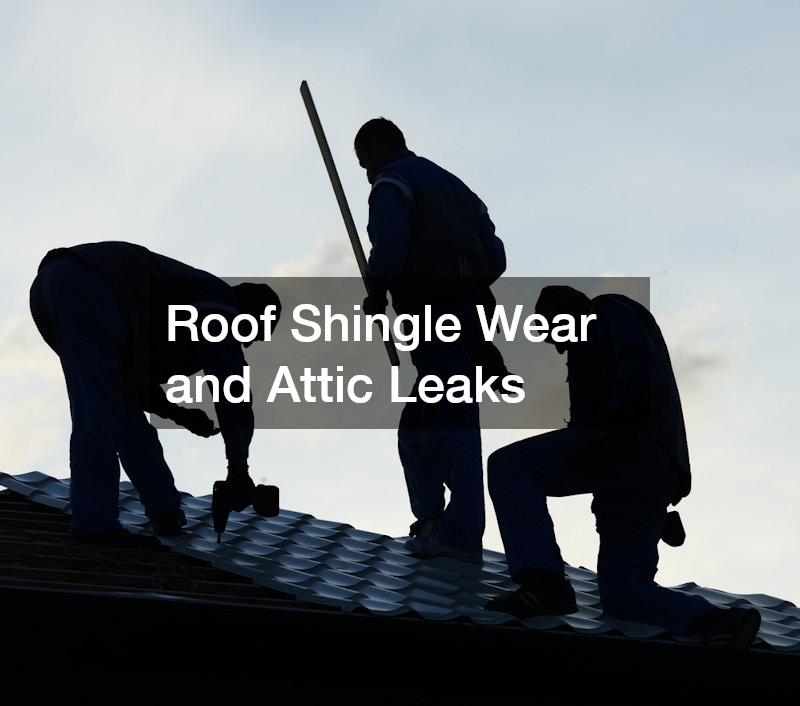
A roof that is aging faster than expected often shows curling, cracked, or missing shingles, along with granules collecting in gutters. Sunlight exposure, poor attic ventilation, and storm damage all speed up this process well before the roof reaches its expected twenty-to twenty-five-year lifespan. Daylight visible through the attic boards or damp insulation are strong indicators that water has already found its way inside.
Waiting until a leak appears on the ceiling usually means the damage has been building for months. Getting a roofing company to inspect flashing, valleys, and vent boots once a year can catch small failures before they turn into rot or mold in the attic space.
- Shingles that curl, buckle, or are missing entirely
- Granules piling up in gutters after rain
- Sagging rooflines visible from the street
- Daylight or moisture spotted in the attic
HVAC Struggles to Keep Up With the Season
An HVAC system that runs constantly, blows uneven temperatures, or makes rattling and clicking noises is aging faster than its calendar age suggests. Dirty filters, low refrigerant, and worn compressors all force the system to work harder, which shortens its overall lifespan. If your energy bills have crept up without a change in usage habits, the system’s efficiency is likely declining.
Most central air units last ten to fifteen years with regular maintenance, but neglect can cut that number significantly. Scheduling local AC repairs at the first sign of strange noises or weak airflow is far less expensive than replacing an entire compressor or the whole unit after a complete breakdown.
- Uneven cooling between rooms
- Rising energy bills without increased usage
- Frequent short cycling or long run times
- Musty smells coming from vents
Outdated Kitchens That Signal Neglect
A kitchen that has not been updated in decades often reflects more than outdated style; it can hide warped cabinet boxes, failing seals around sinks, and electrical outlets that no longer meet safety codes. Swollen particleboard, sticking drawers, and doors that no longer sit flush are signs that moisture and time have taken a toll. These small failures tend to compound, making daily use of the space more frustrating.
For homeowners considering an upgrade, custom kitchen cabinets offer a chance to correct layout inefficiencies while also addressing hidden damage behind the old units. Replacing cabinetry is also a good opportunity to have a plumber check supply lines and drain connections that are often original to the house and easy to overlook during a purely cosmetic renovation.
- Warped or swollen cabinet doors
- Drawers that stick or no longer close fully
- Outdated electrical outlets near water sources
- Visible water damage under the sink

Warped Decks and Weather-Damaged Outdoor Structures
Wood decks endure constant exposure to sun, rain, and temperature swings, which makes them one of the faster-aging parts of a home. Soft or spongy boards, rusted fasteners, and railings that wobble when pushed are signs that structural integrity is compromised. Gaps that widen over time or boards that cup and twist usually mean moisture has been working its way into the wood for longer than it appears.
A deck that looks fine on the surface can still have rotted joists or ledger boards underneath, which is a serious safety concern rather than just a cosmetic one. Consulting local deck builders for an inspection every few years helps catch structural issues early and can extend the usable life of the structure significantly.
- Soft, spongy, or discolored boards
- Rusted or loosening fasteners and brackets
- Wobbly railings or stairs
- Gaps between boards that continue to widen
Sudden Damage That Requires Immediate Response
Not every warning sign develops slowly. Burst pipes, storm damage, and major appliance failures can flood a home or damage structural materials within hours, and how quickly you respond matters as much as the damage itself. Standing water left untreated for more than 24 to 48 hours often leads to mold growth, which turns a repair job into a much larger remediation project.
In these situations, calling emergency restoration services quickly can limit the damage and speed up drying, cleanup, and repair timelines. It is also worth clearing out damaged materials fast, and a dumpster rental service can make it much easier to dispose of ruined flooring, drywall, or furniture without overwhelming your regular trash pickup during the cleanup process.
- Water stains that spread quickly across ceilings or walls
- Musty odors appearing within a day or two of a leak
- Visible mold growth on drywall or baseboards
- Damaged insulation or flooring that needs prompt removal
Structural Wear That Points to a Bigger Decision
Sometimes the combination of an aging roof, outdated systems, and a growing list of repairs adds up to more than routine maintenance can fix. If your home consistently needs attention in multiple areas at once, it may be a sign that the cost of ongoing repairs is approaching or exceeding the value of staying put. This is the point where many homeowners start weighing a full renovation against a series of smaller, targeted fixes.
For those who decide a bigger investment makes more financial sense, planning early makes the transition smoother. Tackling major systems together, such as the roof, plumbing, and electrical, can eliminate years of accumulated deferred maintenance in one step, though it is worth bringing in a licensed inspector to confirm no hidden issues are lurking behind walls or under floors before work begins.
- Repeated repairs across multiple major systems within a short span
- Rising maintenance costs that outpace home value growth
- Difficulty finding parts or service for very old systems
- A home inspection revealing several aging components at once
A house rarely fails all at once; it sends signals through cracked foundations, weak water pressure, aging roofs, and creaking decks long before anything becomes an emergency. Paying attention to these signs and addressing them promptly protects both your budget and your family’s safety. Start by walking through your own home with this list in hand, noting anything that matches, and prioritize professional inspections for the systems showing the most wear. Taking action now is always less costly than waiting for a small warning to become a major repair.