Home comfort and safety go hand in hand. While homeowners often focus on decorating or cleaning, many aspects of home maintenance directly impact how safe and comfortable a home truly is. From structural integrity to climate control, minor issues left unaddressed can escalate into serious hazards or costly repairs. Proactive maintenance and strategic improvements protect residents, prevent emergencies, and maintain the long-term value of a property.
A home is a complex system of interdependent components. Heating, cooling, roofing, flooring, doors, and even painting all contribute to safety, energy efficiency, and livability. Small problems—like a leaky roof, malfunctioning HVAC unit, or warped door—can affect multiple systems simultaneously. Addressing these issues early preserves comfort, prevents accidents, and reduces overall repair costs.
Homeowners often underestimate how one neglected area can create cascading problems. For instance, a poorly sealed door may allow drafts that overwork heating and cooling systems, leading to higher energy bills and faster wear. Similarly, minor flooring damage can trap moisture, creating slip hazards or even structural decay. Seasonal weather changes, pest activity, and general wear and tear further underscore the importance of consistent attention.
This guide focuses on essential home repairs that directly improve safety and comfort. It covers HVAC maintenance, roofing inspections, door and flooring upgrades, and painting projects. The goal is to equip homeowners with actionable advice to identify, plan, and execute repairs efficiently, either independently or with professional help. By prioritizing these areas, homeowners can reduce risks, enhance energy efficiency, and create a resilient, livable home environment while maintaining peace of mind for their family.
Optimizing Indoor Climate for Comfort
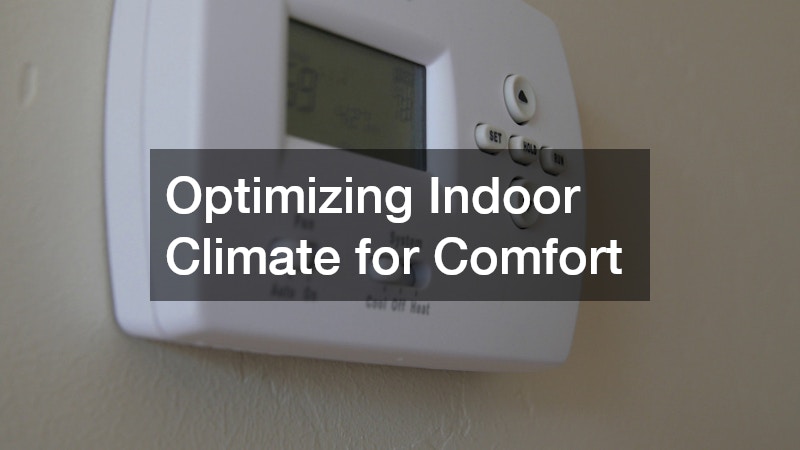
A home’s heating and cooling systems are central to both comfort and safety. Malfunctioning systems can lead to poor indoor air quality, uneven temperatures, and even health risks. Homeowners should watch for signs that their system requires attention, including unusual noises, fluctuating temperatures, and reduced airflow. Ignoring these warning signs can escalate into more serious mechanical problems or energy waste.
Key strategies for maintaining indoor climate include:
- Early detection: Listen for irregular sounds like grinding or rattling, which often indicate worn parts.
- Visual inspections: Check for leaks, corrosion, or rust around HVAC components.
- System responsiveness: Monitor whether heating and cooling cycles maintain consistent indoor temperatures.
- Timely repairs: Schedule AC repair or heating repair before extreme weather strains the system.
Regular maintenance helps prevent system failure and ensures that air is filtered properly, reducing allergens and dust circulation. A professional inspection can identify underlying issues that may not be visible to the homeowner, such as refrigerant leaks or worn belts. Timely repairs reduce energy bills, protect indoor air quality, and extend the life of your equipment, making your home safer and more comfortable year-round.
Proactive AC and heating repair also allows homeowners to budget for seasonal maintenance rather than facing sudden, costly emergencies. By addressing minor issues early, families can avoid downtime during heat waves or cold snaps, ensuring consistent comfort and minimizing risk.
Keeping HVAC Systems in Peak Condition
Preventive maintenance is essential for reliable heating and air conditioning performance. Well-maintained systems reduce emergency repairs, improve energy efficiency, and maintain indoor air quality, making a significant impact on comfort and safety. Homeowners should schedule seasonal inspections to keep HVAC systems running optimally.
Key maintenance tasks include:
- Filter replacement: Changing air filters every 1–3 months prevents dust buildup and improves airflow.
- Duct inspection: Leaks or blockages reduce efficiency and can spread pollutants.
- Thermostat calibration: Ensures accurate temperature control and prevents energy waste.
- Component checks: Inspect compressors, condensers, and heat exchangers for wear or damage.
Professional HVAC maintenance services provide a thorough assessment, identify subtle issues, and perform tasks that require specialized tools or knowledge. They can detect gas leaks, carbon monoxide risks, or electrical faults that may not be obvious to homeowners.
Seasonal inspections also provide an opportunity to schedule minor repairs before they escalate. Preventive care helps systems cope with high-demand periods, like extreme summer heat or frigid winter temperatures, while avoiding unexpected outages. A regular maintenance routine improves efficiency, extends the lifespan of HVAC equipment, and ensures safer, more comfortable indoor conditions for everyone in the home.
Strengthening Home Security with Entryway Repairs
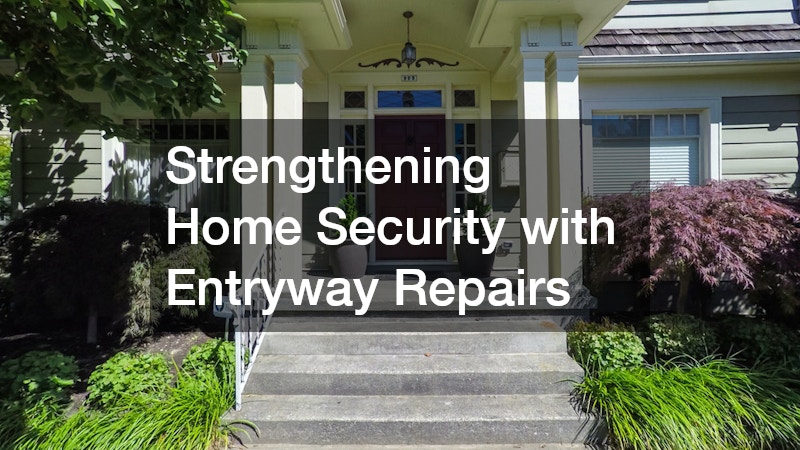
Doors are one of the first lines of defense for a home, affecting both security and energy efficiency. Over time, doors can warp, sag, or suffer from damaged hardware, compromising safety and increasing energy costs. Replacing a door improves insulation, enhances security, and maintains the aesthetic appeal of the home.
Actionable tips for a replacement door include:
- Choosing durable materials: Steel or fiberglass doors resist weathering and forced entry.
- Inspecting frames and thresholds: Check for warping, rot, or gaps that allow drafts or pests.
- Upgrading locks and hardware: Ensure strong, secure mechanisms to deter intruders.
- Professional installation: Proper alignment and sealing prevent air leaks and water damage.
Coordinating door replacement with other exterior projects, such as siding or painting, ensures a cohesive appearance and avoids damage to new installations. A well-installed door maintains consistent indoor temperatures, keeps moisture out, and contributes to the overall structural integrity of the home.
Regular inspections of entryways are essential. Minor issues, like a loose hinge or small gap, can become major vulnerabilities if ignored. Addressing them promptly protects occupants, reduces energy loss, and extends the lifespan of the door and surrounding framing.
Protecting Your Home with Roof Maintenance
The roof is the most critical component of a home’s exterior, shielding occupants from weather, pests, and water damage. Even minor damage can escalate into leaks, mold, and structural problems. Regular roof inspections and maintenance are essential to ensure long-term durability and safety.
Effective roof maintenance strategies include:
- Visual inspections: Look for missing shingles, rusted flashing, sagging areas, or moss growth.
- Gutter cleaning: Clear debris to prevent water backup and ice dam formation.
- Prompt minor repairs: Address leaks, loose shingles, or damaged underlayment quickly.
- Professional consultation: Engage local roofing contractors to evaluate structural integrity and recommend repairs or replacements.
Roofing services provided by trained professionals ensure that repairs comply with safety standards and building codes. Proper maintenance prevents costly damage to interior ceilings, walls, and electrical systems while improving energy efficiency. Seasonal inspections, particularly after storms or heavy snowfall, help identify potential problems early.
Coordinating roof care with other exterior improvements, such as siding, doors, or tree trimming, ensures that the home’s envelope functions cohesively. Maintaining a healthy roof not only enhances safety but also preserves the home’s value, provides peace of mind, and minimizes the risk of unexpected emergencies.
Enhancing Indoor Atmosphere with Painting Projects

Painting serves both protective and aesthetic purposes. High-quality paint shields surfaces from moisture, sun exposure, and wear while enhancing curb appeal. Neglecting painting maintenance can lead to peeling, fading, and surface deterioration, compromising structural integrity and appearance.
Actionable tips for successful painting projects:
- Surface preparation: Clean, sand, and prime surfaces before painting to ensure adhesion.
- Material selection: Choose weather-resistant exterior paints or low-VOC interior paints for durability and safety.
- Professional assistance: Engage local painting companies for uniform coverage, proper technique, and lasting results.
- Maintenance checks: Inspect for cracks, mold, or fading to schedule touch-ups promptly.
Coordinating house painting services with other repairs, such as door installation or siding upgrades, minimizes rework and protects newly finished surfaces. Properly executed painting not only improves aesthetics but also prevents water intrusion, rot, and pest damage.
Regular maintenance of painted surfaces extends their lifespan, improves indoor air quality, and maintains property value. By combining careful planning, professional execution, and timely upkeep, painting projects contribute to a safe, comfortable, and visually appealing home environment.
Maintaining Floors for Safety and Comfort
Floors are more than just a surface to walk on—they play a crucial role in safety, comfort, and overall home aesthetics. Damaged or worn flooring can become a tripping hazard, allow moisture infiltration, and decrease indoor comfort. Hardwood floors, in particular, require attentive care to prevent warping, cracking, or surface scratches.
Effective strategies for maintaining safe, comfortable floors include:
- Regular inspections: Look for loose boards, gaps, water stains, or uneven surfaces.
- Prompt repairs: Address scratches, dents, or water damage quickly to prevent long-term deterioration.
- Professional refinishing: Periodically sand and refinish hardwood floors to restore structural integrity and appearance.
- Moisture control: Maintain appropriate humidity levels to prevent warping or buckling.
- Preventive measures: Use furniture pads, rugs in high-traffic areas, and avoid dragging heavy objects.
Hardwood flooring repair can be tackled as a minor DIY project in some cases, such as sanding small scratches or filling minor cracks. However, major repairs—like replacing warped planks or refinishing large areas—require professional expertise. Properly maintained flooring contributes to energy efficiency by preserving insulation and keeping indoor temperatures consistent.
Additionally, attention to flooring maintenance enhances indoor air quality. Dust, mold, or water damage hidden in flooring can negatively impact health, particularly for children, elderly residents, or those with allergies. A comprehensive approach to floor care ensures safety, comfort, and long-term value for the home.
Creating a Comprehensive Maintenance Plan
Home repair is most effective when approached systematically. A comprehensive maintenance plan prioritizes critical safety and comfort-related systems, ensuring tasks are addressed before problems escalate. By combining HVAC care, roofing inspections, door replacement, painting, and flooring maintenance, homeowners create a resilient and efficient home environment.
This plan should include seasonal checklists, a budget for anticipated repairs, and clear documentation of completed work and warranties. Coordinating projects prevents overlapping disruptions and allows homeowners to schedule professional services efficiently. A thoughtful maintenance strategy not only extends the lifespan of essential systems but also reduces emergency costs, enhances energy efficiency, and ensures a safer, more comfortable living space year-round.
Key components of a maintenance plan include:
- Seasonal checklists: Spring, summer, fall, and winter inspections for HVAC systems, roof integrity, and flooring conditions.
- Prioritization of repairs: Address safety-critical repairs first, followed by aesthetic improvements.
- Professional coordination: Schedule licensed contractors for roofing, HVAC, and flooring to ensure proper installation and compliance with codes.
- Documentation: Keep records of repairs, warranties, inspections, and contractor contacts for future reference.
- Budget planning: Allocate funds for anticipated maintenance, preventing financial strain during emergencies.
- Preventive inspections: Identify small issues such as leaks, air leaks, or minor damage before they escalate.
By following a structured approach, homeowners can extend the lifespan of critical systems, avoid emergency costs, and maintain a safe, comfortable living environment year-round. Integrating regular inspections, preventive maintenance, and timely professional repairs allows the home to function efficiently and protects against unexpected failures.
This type of proactive planning also ensures that multiple projects are coordinated effectively. For example, painting can be scheduled after door installation or roof repairs, minimizing rework and protecting new finishes. By combining preventive care and strategic project management, homeowners maximize efficiency and safety while maintaining a visually appealing home.
Maintaining a safe and comfortable home requires a proactive, coordinated approach. Addressing repairs across critical systems—HVAC, roofing, doors, painting, and flooring—not only preserves comfort but also protects residents from hazards. Small issues left unchecked can escalate into significant structural, safety, or financial problems.
Working with qualified professionals ensures that repairs are performed correctly, adhere to building codes, and provide long-term reliability. Regular inspections, timely repairs, and coordinated projects minimize emergency costs and prevent disruption to daily life.
A well-maintained home functions more efficiently, withstands environmental stress, and enhances indoor comfort. HVAC systems operate safely and reliably, roofs prevent water intrusion, doors improve security, painting protects surfaces, and flooring reduces accident risks. Homeowners who invest time and attention in these essential areas enjoy a safer, more comfortable, and energy-efficient living space.
Moreover, a proactive repair strategy fosters peace of mind, knowing that potential hazards are addressed before they escalate. Maintaining a home also protects long-term property value, as consistent care prevents deterioration that can be costly to fix later. By keeping systems coordinated and addressing both visible and hidden issues, homeowners reduce the risk of unexpected emergencies, improve energy efficiency, and enhance overall quality of life.
Ultimately, essential home repairs are not merely reactive fixes—they are strategic investments in the longevity, safety, and livability of a home. By combining proactive maintenance, professional expertise, and careful planning, homeowners can create a resilient and comfortable environment that serves their family for years to come. Thoughtful, ongoing care ensures the home remains a sanctuary of safety, comfort, and value, providing both immediate benefits and long-term security.