Introduction: Building a Smarter Approach to Total Home Care
A well-maintained home doesn’t happen by accident—it’s the result of consistent attention, informed decisions, and a clear strategy that accounts for every major system. From heating and cooling to plumbing, roofing, and interior upgrades, each component contributes to how your home functions on a daily basis. When one area is neglected, it can create a ripple effect that impacts comfort, efficiency, and long-term costs.
Many homeowners fall into a reactive pattern, addressing problems only after they become urgent. While this approach may seem manageable in the short term, it often leads to higher expenses and more disruptive repairs. A proactive mindset, on the other hand, allows you to identify potential issues early, plan improvements strategically, and maintain control over both your budget and your living environment.
This guide is designed to provide a comprehensive look at maintaining and improving your home. By understanding how different systems work together and applying practical maintenance strategies, you can create a space that is efficient, comfortable, and built to last.
Create a Whole-Home Maintenance Strategy That Prevents Costly Issues
Every effective home care plan begins with organization. Without a structured approach, it’s easy to overlook important tasks or delay necessary repairs. Creating a comprehensive maintenance strategy ensures that each part of your home receives the attention it needs at the right time.
Start with a full property assessment. Walk through your home and document any visible concerns, such as leaks, cracks, outdated systems, or areas showing signs of wear. Pay special attention to high-use areas and systems that operate year-round. This initial evaluation will serve as the foundation for your maintenance plan.
Once you’ve gathered this information, categorize tasks into three groups:
- Immediate repairs that require urgent attention
- Preventative maintenance tasks that should be scheduled regularly
- Long-term upgrades that improve efficiency and value
Seasonal planning is essential for staying on track:
- Spring: Inspect exterior surfaces, check drainage, and prepare for warmer weather
- Summer: Complete larger renovation projects and system upgrades
- Fall: Prepare heating systems and seal gaps to retain warmth
- Winter: Monitor indoor systems and address minor repairs
Budgeting should also be part of your strategy. Allocate funds for routine maintenance and set aside a contingency for unexpected issues. Tracking expenses over time helps you identify patterns and plan future improvements more effectively.
Keep Your Cooling System Running Efficiently During Peak Seasons
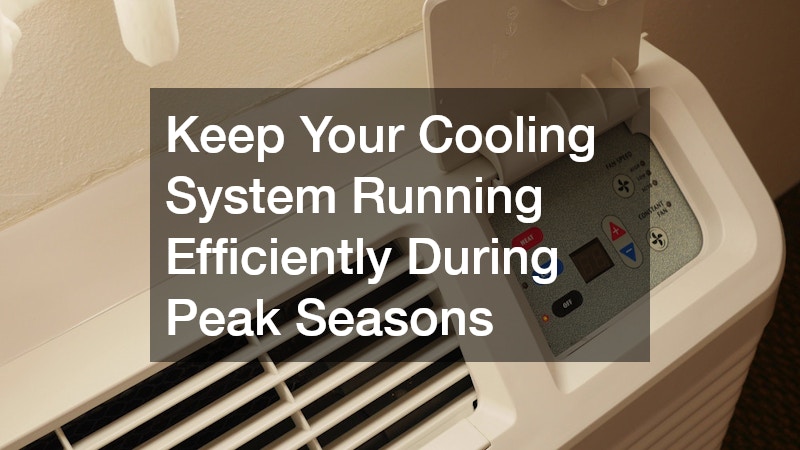
Cooling systems play a vital role in maintaining indoor comfort, especially during warmer months. When systems are not properly maintained, they can lose efficiency, struggle to regulate temperature, and consume more energy than necessary.
Regular air conditioning service is one of the most effective ways to keep your system operating at peak performance. Routine servicing includes cleaning components, checking refrigerant levels, and ensuring that all parts are functioning correctly. These small steps can significantly reduce the risk of breakdowns during high-demand periods.
Signs that you may need HVAC repair include:
- Weak or inconsistent airflow
- Warm air coming from vents
- Unusual noises such as grinding or rattling
- Higher-than-normal energy bills
To maintain efficiency, homeowners can take several proactive steps:
- Replace air filters every 1–3 months
- Keep outdoor units free of debris
- Ensure vents are not blocked by furniture or other objects
- Seal duct leaks to prevent energy loss
Professional inspections are especially important before the start of peak cooling seasons. Technicians can identify hidden issues, optimize system performance, and recommend upgrades if necessary. Investing in regular maintenance not only improves comfort but also extends the lifespan of your equipment.
Ensure Consistent Hot Water and Prevent Unexpected Breakdowns
Hot water is essential for everyday tasks, from bathing to cooking and cleaning. When issues arise, they can disrupt your routine and signal deeper problems within your system. Addressing these concerns early is key to avoiding costly repairs or replacements.
Common signs that water heater repair may be needed include:
- Fluctuating water temperatures
- Discolored or rusty water
- Strange noises coming from the tank
- Reduced hot water supply
Professional plumbing services can diagnose these issues and determine the best course of action. In some cases, repairs may be sufficient, while in others, replacing an aging unit may be more cost-effective.
Preventative maintenance plays a crucial role in system longevity:
- Flush the tank annually to remove sediment buildup
- Inspect anode rods to prevent corrosion
- Check for leaks or loose connections
Upgrading to more efficient systems can also provide long-term benefits. Modern units are designed to reduce energy consumption while delivering consistent performance. By maintaining your system and addressing issues promptly, you can ensure reliable hot water and minimize disruptions.
Maintain Reliable Heating Performance Through Every Season
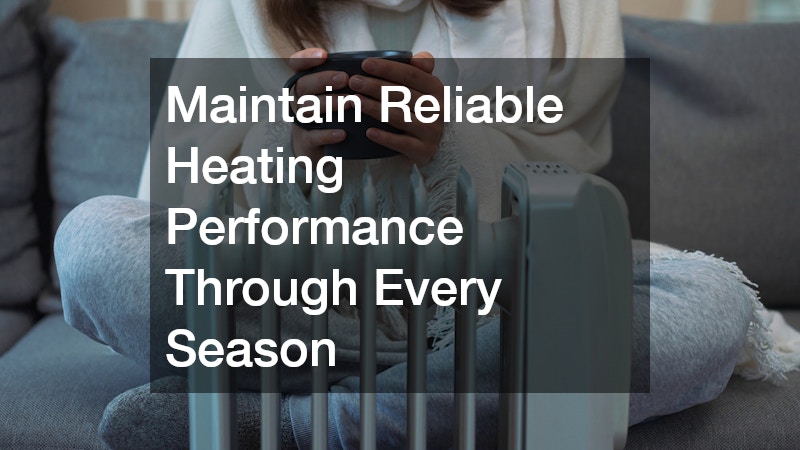
Heating systems are essential for maintaining comfort during colder months. When they fail, the consequences can be immediate and uncomfortable. Regular maintenance and timely repairs are key to ensuring consistent performance.
Common indicators that furnace repairs are needed include:
- Uneven heating throughout the home
- Frequent cycling on and off
- Unusual noises or odors
- Increased energy bills without increased usage
Preventative care is one of the most effective ways to reduce the likelihood of breakdowns. Homeowners should schedule annual inspections, ideally before the start of the heating season. These inspections allow technicians to identify worn components, clean internal systems, and ensure safe operation.
Additional maintenance tips include:
- Replacing filters regularly to maintain airflow
- Keeping vents and registers clean and unobstructed
- Checking thermostat settings for accuracy
In some cases, upgrading to a newer system may be more efficient than continuing to repair an older one. Evaluating factors such as system age, repair frequency, and energy efficiency can help determine the best course of action.
Improve Water Quality and Protect Your Plumbing System
Water quality has a direct impact on both your home and your health. Hard water, which contains high levels of minerals such as calcium and magnesium, can cause buildup in pipes and appliances, reducing efficiency and lifespan.
Installing a water softener can help address these issues by removing excess minerals and improving water quality. Benefits include:
- Reduced scale buildup in pipes and fixtures
- Improved efficiency of appliances such as dishwashers and washing machines
- Softer skin and cleaner laundry
Signs that your home may benefit from a water softener include:
- White residue on faucets and dishes
- Reduced water pressure
- Frequent appliance maintenance issues
Maintaining your system is essential for long-term performance:
- Refill salt levels regularly
- Clean the system periodically
- Schedule professional inspections
By improving water quality, homeowners can protect their plumbing systems, reduce maintenance costs, and enhance overall comfort.
Plan Functional and Stylish Kitchen Upgrades
The kitchen is often considered the heart of the home, making it one of the most impactful areas to upgrade. Well-planned kitchen renovations can improve functionality, increase storage, and enhance overall aesthetics.
Key considerations when planning a renovation include:
- Layout optimization to improve workflow
- Selecting durable, high-quality materials
- Incorporating energy-efficient appliances
Working with a professional remodeling company ensures that the project is executed efficiently and meets your expectations. Experienced professionals can help with design, material selection, and project management.
To maximize results:
- Set a realistic budget and timeline
- Prioritize features that improve daily use
- Balance style with practicality
Thoughtful upgrades not only improve your living experience but also increase your home’s value, making them a worthwhile investment.
Transform Underutilized Spaces into Valuable Living Areas

Basements often represent untapped potential within a home. With proper planning, these spaces can be transformed into functional areas such as living rooms, offices, or guest suites.
Basement remodeling begins with assessing the space:
- Check for moisture or water issues
- Evaluate insulation and ventilation
- Determine structural limitations
Design considerations include:
- Lighting solutions to brighten the space
- Layout planning for functionality
- Material selection for durability
Addressing moisture concerns is critical before beginning any renovation. Waterproofing and proper drainage ensure that the space remains comfortable and safe.
A finished basement adds usable square footage and can significantly increase property value. With careful planning and execution, it becomes a versatile and valuable part of your home.
Protect Your Home’s Structure and Exterior from Damage
Your roof plays a vital role in protecting your home from the elements. Regular maintenance and timely repairs are essential for preserving its integrity and performance.
Signs of potential issues include:
- Missing or damaged shingles
- Water stains on ceilings
- Moss or algae growth
Working with a professional roofing company ensures that problems are properly diagnosed and addressed. Experts can recommend repairs, replacements, or preventative measures based on your roof’s condition.
Preventative steps include:
- Scheduling regular inspections
- Cleaning gutters and downspouts
- Trimming nearby trees
Maintaining your roof not only protects your home but also contributes to energy efficiency and long-term durability.
Coordinate Multiple Projects for Maximum Efficiency
Managing multiple home improvement projects requires careful planning and coordination. Without a clear strategy, overlapping timelines and miscommunication can lead to delays and increased costs.
Effective coordination involves:
- Creating a detailed project schedule
- Grouping related tasks together
- Communicating clearly with contractors
Keeping records of completed work helps track progress and plan future projects. This documentation also provides valuable insights into maintenance patterns and costs.
By organizing projects effectively, homeowners can minimize disruptions and ensure that work is completed efficiently.
Budgeting for Repairs, Upgrades, and Long-Term Maintenance
Financial planning is a key component of successful property care. Without a clear budget, it’s easy to overspend or delay important repairs.
Smart budgeting strategies include:
- Setting aside funds for emergencies
- Prioritizing essential repairs
- Comparing multiple service providers
Breaking larger projects into phases can make them more manageable and reduce financial strain.
Tracking expenses over time helps identify trends and plan future improvements more effectively. With a structured approach, homeowners can maintain control over their finances while ensuring their property remains well-maintained.
Increase Property Value Through Strategic Improvements
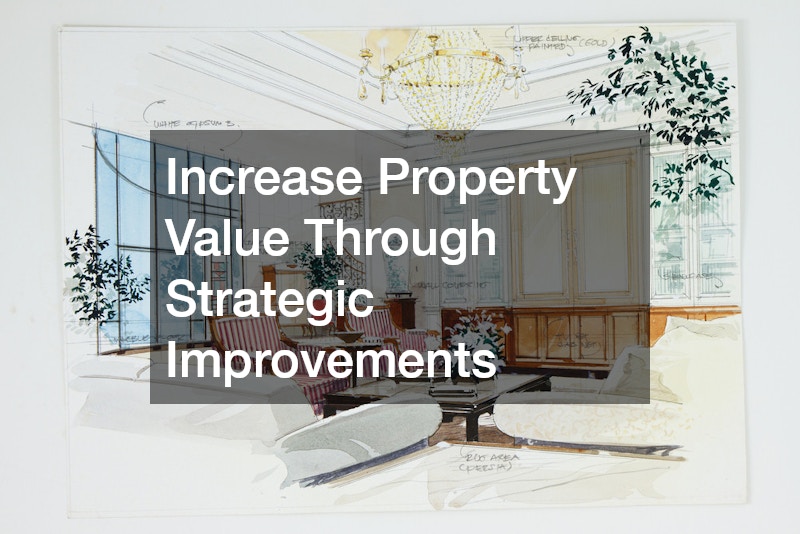
Strategic improvements can significantly enhance your home’s value and appeal. Buyers are more likely to invest in properties that demonstrate consistent maintenance and modern features.
High-impact upgrades include:
- Energy-efficient system improvements
- Structural repairs
- Exterior enhancements
Balancing functional upgrades with aesthetic improvements ensures the best return on investment. Even smaller updates, such as fresh paint or updated fixtures, can make a noticeable difference.
Maintaining detailed records of all improvements provides transparency and builds buyer confidence during resale. By investing in your home strategically, you can maximize both comfort and long-term value.
Conclusion: Creating a Comfortable, Efficient, and Long-Lasting Home
A well-maintained home is the result of consistent effort, thoughtful planning, and a proactive approach to care. By addressing issues early and investing in strategic improvements, homeowners can create a space that is both functional and comfortable.
Understanding how different systems work together allows for better decision-making and more effective maintenance strategies. Each improvement contributes to the overall performance and longevity of your home.
With the right approach, you can build a living environment that supports your needs today while remaining adaptable for the future.
As you continue to care for your home, consistency will be one of your most valuable tools. Establishing routines for inspections, maintenance, and upgrades ensures that no aspect of your property is overlooked. Even simple habits, such as checking for leaks, monitoring energy usage, or keeping systems clean, can have a meaningful impact over time. These small efforts accumulate, helping to prevent unexpected breakdowns and extending the lifespan of key components.
It’s also worth considering how your home fits into your broader financial and lifestyle goals. Strategic investments in efficiency, durability, and design can reduce ongoing expenses while increasing overall satisfaction with your space. Whether you plan to stay in your home long-term or eventually sell, maintaining high standards of care will always pay off. A well-documented history of maintenance and improvements can also add credibility and appeal if you decide to enter the housing market.
In addition, don’t underestimate the importance of comfort and personalization. While structural integrity and system performance are critical, your home should also reflect your preferences and support your daily routines. Thoughtful upgrades, improved layouts, and modern conveniences can transform how you experience your space, making it more enjoyable and functional.
Finally, remember that homeownership is an ongoing journey rather than a one-time project. Needs will change, technologies will evolve, and new opportunities for improvement will arise. Staying informed, planning ahead, and remaining proactive will allow you to adapt with confidence. By committing to a long-term approach, you can ensure your home remains a reliable, efficient, and welcoming environment for years to come.